Composite Decking Australia: The Complete Guide for 2026
Everything you need to know about composite decking — from types and costs to installation and maintenance
Composite decking has revolutionised outdoor living spaces across Australia. Whether you’re building a new deck, renovating an existing outdoor area, or simply exploring your options, this comprehensive guide covers everything you need to know about composite decking in Australia — from understanding what it is and its benefits, to costs, installation, and long-term maintenance.
As Australia’s leading composite decking supplier with over 25 years of experience, we’ve helped thousands of homeowners transform their outdoor spaces. This guide draws on our expertise to give you the most accurate, up-to-date information available.
In This Guide
- What is Composite Decking?
- Benefits of Composite Decking
- Types of Composite Decking
- Composite Decking Costs in Australia
- Installation Overview
- Maintenance & Care
- Composite vs Timber Decking
- Choosing the Right Composite Decking
- FAQs
What is Composite Decking?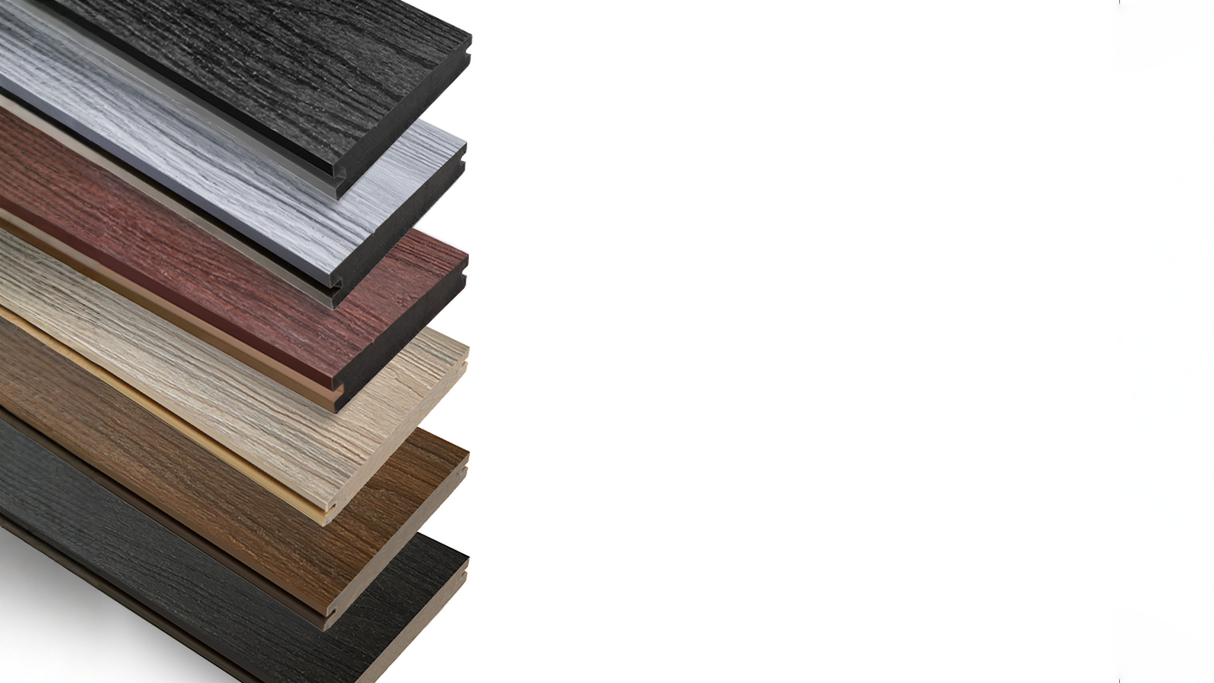
Composite decking is an engineered outdoor flooring material made from a combination of wood fibres (or wood flour) and plastic polymers, typically recycled materials. This innovative blend creates boards that capture the natural beauty of timber while offering superior durability and virtually maintenance-free performance.
Unlike traditional timber decking that requires regular oiling, staining, and sealing, composite decking is designed to withstand Australia’s harsh climate — from intense UV exposure to heavy rainfall — without the ongoing upkeep that timber demands.
How Composite Decking is Made
The manufacturing process combines recycled wood fibres with high-density polyethylene (HDPE) or polypropylene plastics. These materials are heated, mixed, and extruded into board profiles. Premium composite decking, like our NextGen Titanium range, features an additional protective cap layer made from ASA (Acrylonitrile Styrene Acrylate) that provides enhanced resistance to fading, staining, and scratching.
Key Components of Composite Decking
- Wood fibres (40-60%): Provide natural wood appearance and structural integrity
- Recycled plastics (40-60%): Add durability, moisture resistance, and longevity
- Binding agents: Hold the composite matrix together
- UV stabilisers: Protect against sun damage and fading
- Pigments: Create realistic wood colours and grain patterns
What is Composite Decking? – Full Guide →
Benefits of Composite Decking
There’s a reason composite decking has become the preferred choice for Australian homeowners. Here are the key benefits that make it superior to traditional timber:
1. Low Maintenance
The biggest advantage of composite decking is its minimal maintenance requirements. Unlike timber decking that needs annual oiling, staining, and sealing (costing $30-$80 per square metre each time), composite decking only needs occasional cleaning with soap and water. No painting. No sealing. No oiling. Ever.
2. Exceptional Durability
Composite decking is engineered to withstand Australia’s extreme weather conditions. It won’t rot, warp, crack, or splinter like traditional timber. Premium capped composite boards are also highly resistant to moisture, mould, and mildew — making them ideal for pool surrounds and coastal properties.
3. Termite & Pest Resistant
Unlike timber, composite decking is completely resistant to termites and other wood-boring insects. This is particularly important in Australia, where termite damage costs homeowners billions of dollars each year.
4. Safety Features
Select composite decking products offer enhanced safety features such as slip-resistant surfaces (up to R11/P5 ratings) and BAL-29 fire-rated options – particularly in premium capped ranges designed for Australian conditions and bushfire-prone areas. This makes it an excellent choice for families with children and pets.
5. Environmentally Friendly
Most composite decking is made from recycled materials — including reclaimed wood fibres and recycled plastics that would otherwise end up in landfill. By choosing composite, you’re reducing demand for virgin timber and helping divert plastic waste from the environment.
6. Long-Term Cost Savings
While composite decking has a higher upfront cost than some timber options, the total cost of ownership is significantly lower. When you factor in the ongoing maintenance costs of timber (staining, oiling, repairs), composite decking typically pays for itself within 5-7 years — and continues saving you money for decades after.
7. Consistent Appearance
Composite decking maintains its colour and appearance for years without the greying and weathering that affects timber. Premium boards with ASA capping are warranted against significant fading for 25-30 years.
8. Design Flexibility
Available in a wide range of colours, textures, and board widths, composite decking allows you to create exactly the look you want. From contemporary charcoal tones to classic timber aesthetics like spotted gum and merbau, there’s a composite option to match any home style.
[INTERNAL LINK: Choosing Composite Decking Colours →]
Types of Composite Decking
Not all composite decking is created equal. Understanding the different types will help you choose the right product for your needs and budget.
Uncapped (First Generation) Composite Decking
The original composite decking technology. Uncapped boards have the same material throughout without a protective outer layer. While more affordable ($50-$100 per m²), they’re more susceptible to staining, fading, and moisture absorption. Most brands only offer 5-10 year warranties on uncapped products. We no longer recommend uncapped composite for Australian conditions.
Capped Composite Decking
The most popular choice in Australia today. Capped composite decking features a protective polymer shell that wraps around the board, providing superior resistance to staining, scratching, fading, and moisture. Prices typically range from $100-$200 per m². This is our recommended minimum standard for Australian conditions.
Premium Capped Composite (ASA/Co-Extruded)
The highest-performing composite decking available. Premium boards like our NextGen Titanium range feature advanced ASA (Acrylonitrile Styrene Acrylate) dual-layer shielding that offers maximum protection against UV, stains, scratches, and fading. These products typically carry 25-30 year warranties and range from $150-$250 per m².
Solid vs Hollow Core
- Solid core boards: Heavier, denser, more rigid feel underfoot. Better for high-traffic areas and commercial applications.
- Hollow core boards: Lighter weight, easier to handle, more budget-friendly. Suitable for residential applications with proper joist spacing.
PVC Decking
While sometimes grouped with composite, PVC (polyvinyl chloride) decking is 100% synthetic with no wood fibres. It offers maximum moisture resistance and is ideal for marine environments, but tends to be more expensive and can become slippery when wet.
Compare Our Composite Decking Ranges →
Composite Decking Costs in Australia
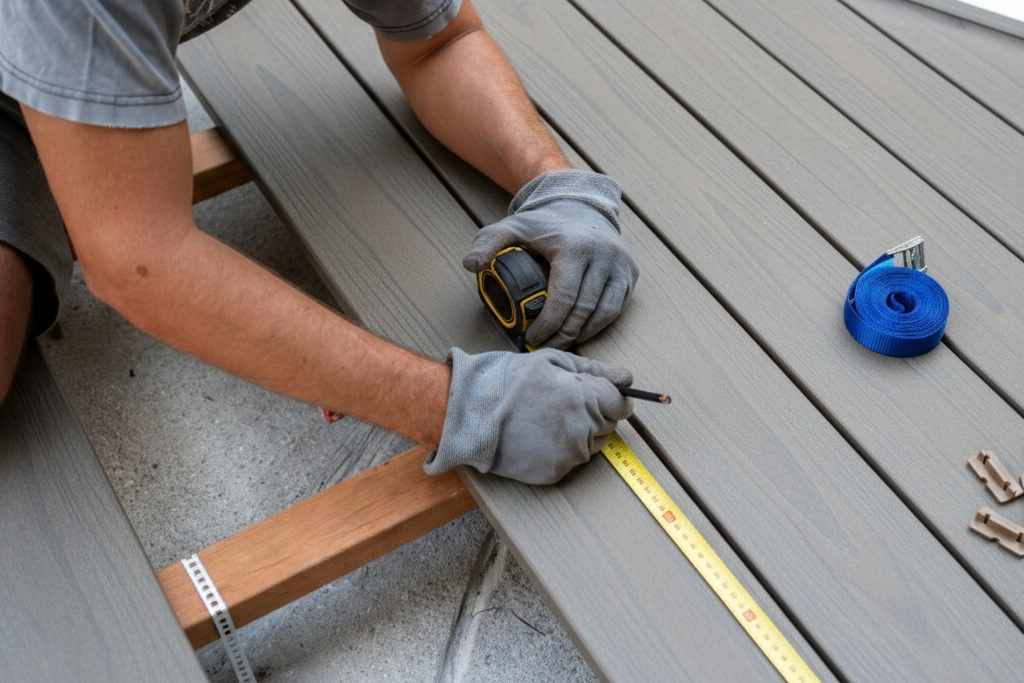
Understanding the full cost of composite decking helps you budget accurately and appreciate the long-term value. Here’s a comprehensive breakdown of what to expect in 2025.
Material Costs (Boards Only)
| Quality Level | Price per m² | Typical Warranty |
|---|---|---|
| Basic (Hollow – Capped) | $50 – $100 | 0-5 years |
| Basic (Uncapped) | $50 – $100 | 5-10 years |
| Mid-Range (Capped) | $100 – $150 | 15-20 years |
| Premium (ASA Capped) | $150 – $190 | 25-30 years |
Total Installed Cost
When you factor in subframe materials, fasteners, and professional installation, the total cost of a composite deck typically ranges from $250 to $450 per square metre. This includes:
- Decking boards: $100-$170 per m²
- Subframe/joists: $30-$60 per m²
- Fasteners & clips: $5-$15 per m²
- Professional labour: $80-$180 per m²
Long-Term Cost Comparison
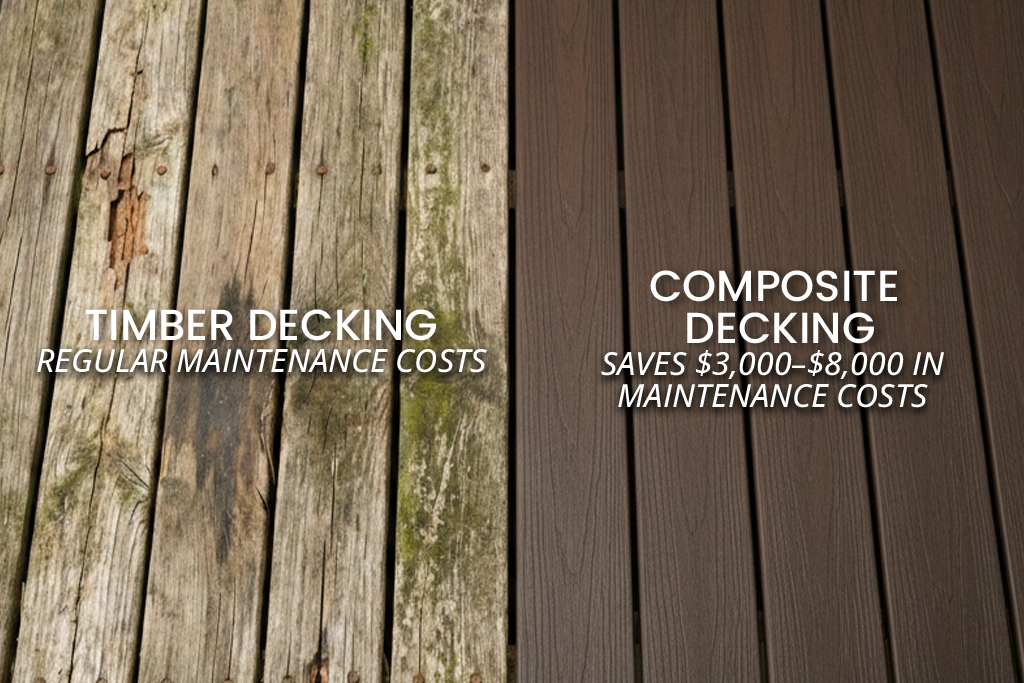
When comparing composite to timber over a 20-year period, composite decking typically saves $3,000-$8,000 in maintenance costs alone for an average-sized deck (25-30m²). Factor in potential timber repairs and replacements, and the savings grow even larger.
Composite Decking Price Calculator →
Composite Decking Cost Guide 2025 →
Composite Decking Installation
Installing composite decking follows similar principles to timber decking, but with some important differences. Here’s an overview of the installation process.
Subframe Requirements
Composite decking requires a sturdy subframe. This can be pressure-treated timber joists, steel framing, or composite battens (ideal for decking over concrete). Key specifications include:
- Joist spacing: Maximum 400mm to 450mm centres for residential applications (and 400mm for diagonal installation)
- Adequate drainage: Minimum 1:100 fall away from structures
- Ventilation: Minimum 50mm clearance under the deck
- Joist protection: Butyl tape on joist tops extends subframe life
Installation Steps Overview
- Plan your deck: Measure the area, design the layout, and calculate materials
- Prepare the site: Clear, level, and ensure proper drainage
- Install the subframe: Set posts, beams, and joists to manufacturer specifications
- Lay the decking boards: Start from the house, maintain consistent gaps (3-5mm between boards)
- Secure with hidden fasteners: Use manufacturer-recommended clips for a screw-free surface
- Install fascia and finishing: Cover board ends and frame edges
DIY vs Professional Installation
Composite decking is a DIY-friendly material thanks to hidden fastening systems and consistent board dimensions. However, professional installation ensures optimal results, proper warranty coverage, and compliance with building codes. For decks over 10m² or those attached to structures, we recommend engaging a licensed builder.
Installation Time Savings
Composite decking typically installs up to 70% faster than traditional timber due to consistent board dimensions, hidden fastening systems, and no need for pre-drilling or countersinking. This translates to significant labour cost savings if you’re hiring professionals.
Composite Decking Maintenance
One of the biggest advantages of composite decking is its minimal maintenance requirements. Here’s how to keep your deck looking its best.
Regular Cleaning (2-4 Times Per Year)
- Sweep away leaves and debris regularly to prevent staining
- Wash with warm soapy water and a soft-bristle brush
- Rinse thoroughly with a garden hose
- For stubborn stains, use a composite deck cleaner
Pressure Washing
Pressure washing is generally safe for composite decking but should be done carefully. Use a fan tip (not a pinpoint tip), keep the pressure below 1,500 PSI, and maintain a distance of at least 200mm from the board surface. Always follow the grain direction.
What You DON’T Need To Do
- No oiling or staining — ever
- No sealing or waterproofing
- No sanding
- No painting
- No termite treatment
Best Composite Deck Cleaners →
Composite Decking vs Timber
Choosing between composite and timber decking is one of the biggest decisions in any deck project. Here’s an honest comparison to help you decide.
| Factor | Composite | Timber |
|---|---|---|
| Upfront Cost | Higher ($100-250/m²) | Lower ($60-180/m²) |
| Maintenance | Minimal (clean only) | High (annual oiling/staining) |
| Lifespan | 25-30+ years | 15-25 years (with care) |
| Termite Risk | None | High (requires treatment) |
| Splinters | None | Common |
| Colour Fading | Minimal (warranted) | Significant (greys naturally) |
| Total 20-Year Cost | Lower | Higher |
Composite vs Timber Decking – Full Comparison →
Choosing the Right Composite Decking
With so many options available, here’s how to select the best composite decking for your project.
Consider Your Application
- Pool surrounds: Choose boards with excellent slip ratings (R11/P5) and moisture resistance
- Bushfire zones: Select BAL-29 rated products
- High traffic areas: Premium capped boards with scratch resistance
- Budget projects: Mid-range capped composite offers excellent value
Check Certifications
Ensure any composite decking you consider meets Australian standards. Look for NCC (National Construction Code) compliance, CodeMark certification, and appropriate BAL ratings if building in bushfire areas.
Request Samples
Always request physical samples before making your final decision. This allows you to see the actual colours, feel the texture, and assess the quality in person. Most reputable suppliers offer free sample packs.